Table of Contents
- Essential Camping Gear for Beginners: Start With Shelter and Sleep
- Your Beginner Camping Checklist: What to Borrow, Rent, or Buy
- What to Pack for Camping: Cooking, Water, and Lighting
- Camping Safety Essentials: First Aid, Weather, and Navigation
- How to Choose Camping Gear by Trip Type and Conditions
- Budget Tiers for Essential Camping Gear for Beginners
- Conclusion: Build Your Kit One Trip at a Time
- Frequently Asked Questions
Last Updated: October 12, 2026
Essential Camping Gear for Beginners: Start With Shelter and Sleep
Getting essential camping gear for beginners in 2026 right comes down to two things: a dry place to sleep and a warm body inside it. Everything else is negotiable. This guide from CampNation walks you through what to buy first, what to borrow, and how to build a kit one trip at a time.
Most first-timers overspend on gadgets and underspend on sleep. That is the wrong order. Cold, wet nights end camping trips faster than anything else.
So start here, with the two items that decide whether you wake up rested or pack up at 2am.
Tent, Stakes, and Footprint
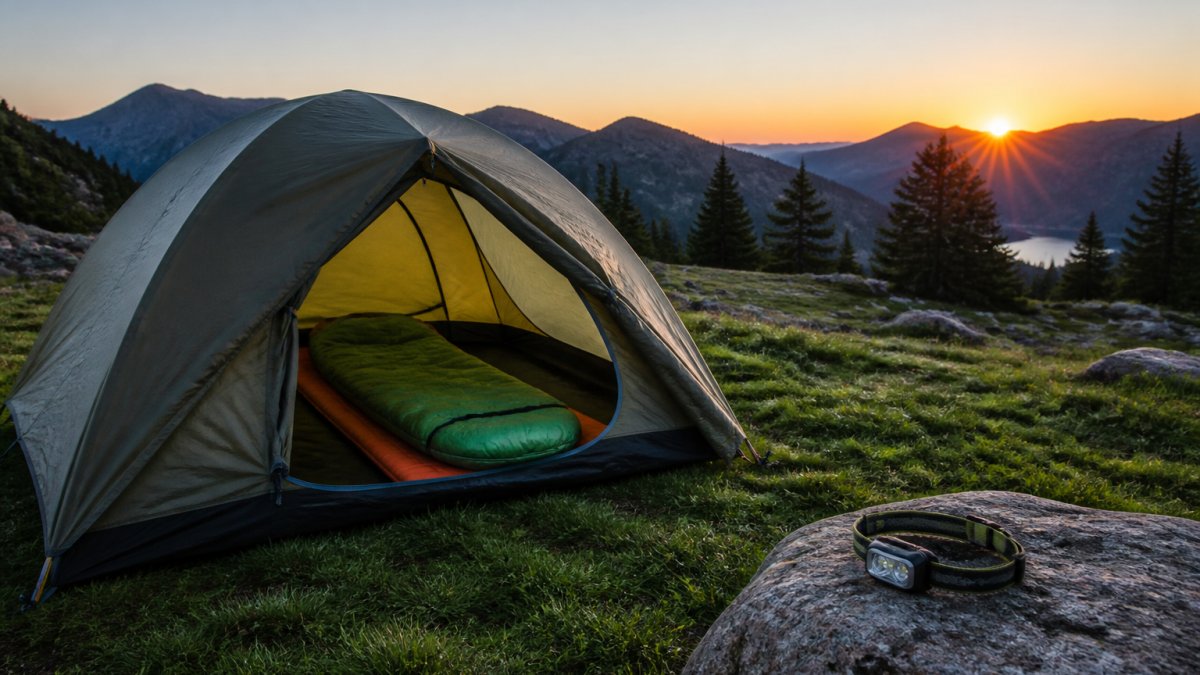
A tent is your shelter: a portable fabric structure with poles, a waterproof outer layer, and a floor. For beginner camping, a three-season dome tent that sleeps one size larger than your group works best.
Look for these features:
- Tent footprint: a groundsheet that protects the floor from rocks and damp
- Rainfly: the outer cover that sheds rain and wind
- Guylines: the cords that tension the tent in bad weather
- Tent stakes: pegs for holding it all down, plus a mallet for hard ground
- Ventilation: mesh panels that reduce condensation inside
Practice pitching your tent at home once before your trip. It saves arguments at the campsite.
Sleeping Bag and Temperature Rating
The temperature rating on a sleeping bag tells you the coldest conditions it is designed for. Ratings use a comfort and lower-limit scale, so treat the lower number as a survival figure, not a comfort figure.
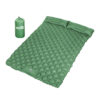
A simple rule: buy a bag rated about 5°C colder than the coldest night you expect. Pair it with a sleeping pad or sleeping mat for insulation and cushioning, and a camping pillow for comfort.
Your full sleep system is bag, pad, and pillow together. All three matter. A great bag on bare ground still loses heat.
Sleep in clean, dry clothes and warm up before bed. A cold body climbs into a bag and stays cold, no matter how good the bag is.
Your Beginner Camping Checklist: What to Borrow, Rent, or Buy
A beginner camping checklist should separate what you must own from what you can borrow, rent, or buy used. That single decision saves most first-timers the biggest chunk of money, and it is the step most gear lists skip entirely.
The trick is to sort every item by two questions: does it touch my skin or my safety, and will I use it more than twice a year? If the answer to both is no, do not buy it new for trip one.
| Item | Borrow or rent? | Buy new? | Why |
|---|---|---|---|
| Tent | Yes, for trip one | Yes, once you know your style | Sizing and shape only become obvious after a night in one |
| Sleeping bag | Rarely (hygiene) | Yes, buy your own | You cannot properly clean a loaned bag’s fill |
| Sleeping pad | Yes | Yes, cheap and light | Hygiene risk is low; a basic closed-cell pad is inexpensive |
| Camp stove | Yes | Yes, if cooking often | Fuel-type compatibility is the real decision, not the stove |
| Camp chairs | Yes | Later, once settled | Bulky, cheap to borrow, easy to buy used |
| Cooler | Yes | Yes, versatile | Doubles as a bench, table, and dry store |
| Headlamp | No | Yes, always own one | Fails without warning; you need to know its history |
| First-aid kit | No | Yes, always own one | You must know every item is present and in date |
Where to borrow, rent, or buy used
- Borrow: friends, family, and community gear libraries run by some local councils and outdoor clubs. Best for tents, chairs, and coolers.
- Rent: outdoor retailers and dedicated gear-hire outfits rent tents, stoves, and sometimes full sleep systems for a weekend. This is the cheapest way to test a tent size before committing.
- Buy used: marketplace listings, op shops, and club noticeboards. Safe for hard goods, chairs, mallets, cookware, lanterns, water containers, and coolers.
- Never buy used: sleeping bags, pillows, anything with foam you cannot wash, first-aid kits, and headlamps with unknown battery history.
Rent a tent for your first trip even if you can afford to buy. One night in a two-person tent tells you more about whether you want a three-person or a swag than any review will.
Never buy a used first-aid kit or a second-hand headlamp with a failing battery. Both fail exactly when you need them most, and neither is expensive enough to justify the risk.
The reuse-first rule
If you can borrow it, borrow it. If you cannot borrow it, rent it. If you cannot rent it, buy it used. Only buy new when the item touches your skin, protects your safety, or will be used on most trips. Following that order, a first kit can be assembled for a fraction of the cost of a full retail list, and you will know which upgrades are actually worth paying for.
What to Pack for Camping: Cooking, Water, and Lighting
What to pack for camping splits into three jobs: cooking, water, and light. Get these right and a basic campsite runs smoothly.
Camping Cooking Equipment Checklist: Stove, Cookware, and Fuel
Your camping cooking equipment checklist needs a camp stove, cookware, cooking supplies, and the right fuel.
- Stove: a small gas or multi-fuel burner for boiling and frying
- Cookware: one pot, one pan, a lid, and a spatula
- Fuel: the correct canister for your stove, plus a spare
- Utensils: a knife, a cutting board, and a can opener
- Food storage: sealed containers and a cooler to keep things cold
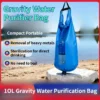
For water, bring a water bottle per person plus a larger water storage container for the campsite. If you are not sure about the water source, pack water treatment tablets or a filter.
Lighting is simple: a headlamp for hands-free tasks and a lantern for the table.
Two light sources per person is the safe minimum. A headlamp for moving around, a lantern for the campsite.
Camping Safety Essentials: First Aid, Weather, and Navigation
Camping safety essentials cover three areas: health, weather, and knowing where you are. Pack for all three before every trip.
Your first-aid kit should include bandages, antiseptic, blister care, pain relief, and any personal medication.
Weather protection means rain gear, a jacket, and a spare set of dry clothes. In colder months, pack thermals and warm socks.
For navigation, carry a paper map, a compass, and a charged phone. Tell someone your plans and expected return.
A knife and a small repair kit handle most campsite fixes. Check local fire rules before lighting anything.
Never rely on a phone as your only map. Batteries die, and signal drops in remote areas. A paper backup weighs almost nothing.
How to Choose Camping Gear by Trip Type and Conditions
Choosing camping gear by trip type and conditions is the step most beginners skip. The right kit for a caravan park is wrong for a remote trek.
Match your gear to the trip:
- Car camping: comfort wins. Bigger tent, camp chairs, a proper cooler, a lantern.
- Weekend camping: balance. Mid-size tent, one stove, a solid sleep system.
- Backpacking: weight wins. Light tent, compact pad, minimal cookware.
- Cold conditions: insulation first. Colder-rated bag, extra layers, thermals.
- Wet conditions: waterproofing first. Good rainfly, rain gear, dry bags.
Think about campsite setup too. A heavy tent is fine beside a car and painful on your back.
For longer trips, trip planning matters as much as gear. Check the forecast, plan meals, and pack for the worst night, not the best.
Budget Tiers for Essential Camping Gear for Beginners
Essential camping gear for beginners fits into three rough tiers. Exact prices shift with brands, seasons, and sales, so treat the figures below as planning bands rather than quotes, but the shape of each tier stays stable, and the spending priorities inside them matter more than the totals.
Tier 1: Borrow and basics, the minimum viable kit
Rent or borrow the tent, stove, and cooler. Buy only what touches your skin or your safety.
- Sleeping bag rated to your expected overnight low
- Sleeping pad (a basic closed-cell foam mat is enough to start)
- Headlamp, plus spare batteries
- First-aid kit
- Water bottle per person
- Rain jacket
This is the cheapest sensible start, and it is the tier most first-timers should aim for on trip one. You are testing whether you enjoy camping, not furnishing a permanent kit.
Tier 2: Own the core, the one-season kit
Once you know your camping style, buy the items you have been borrowing.
- Tent sized one berth larger than your group
- Camp stove plus the correct fuel canister and a spare
- Cooler
- One pot, one pan, a lid, and a spatula
- Camp chairs
- Lantern
- Basic toiletries and personal hygiene items
This tier is where most of the money goes, and it is where the biggest mistakes happen. Buy the tent after you have slept in a rented one, not before.
Tier 3: Build out, the multi-season kit
Add capability as your trips grow, not before.
- Water treatment (tablets or a filter) for uncertain water sources
- Camp shower for trips longer than two nights
- Better cookware and a second burner
- Cold-weather layers: thermals, warm socks, a proper insulated jacket
- Dry bags and a repair kit
- Navigation backup: paper map and compass
Where to spend and where to save
Spend most on the items between you and the ground: tent, sleeping bag, sleeping pad. These decide whether you sleep, and they are the hardest to upgrade cheaply later.
Spend least on the items you can borrow or buy used: chairs, mallets, cookware, lanterns, water containers. These are simple objects with no meaningful performance gap between budget and premium versions.
The order of spending matters more than the total. Sleep system first, shelter second, cooking third, comfort last. A beginner who spends the whole budget on a tent and sleeps cold on bare ground has bought the wrong kit.
Check current pricing on any item before you commit, because costs vary by season and stock. A kit assembled in the shoulder season is often cheaper than the same kit bought in the middle of summer.
Conclusion: Build Your Kit One Trip at a Time
The hardest part of beginner camping is resisting the urge to buy everything at once. You will not know what you actually need until you have slept outside a few times.
Buy the sleep system first. Borrow the rest. Add gear as each trip shows you what is missing.
At CampNation, we stock premium gear built to last outdoors, from essential hiking tools to smart add-ons. Every product is carefully selected for reliability and performance.
Start with the essentials, then grow your kit with confidence. Shop now with CampNation and get set for your next adventure.
Frequently Asked Questions
What camping gear is essential for a beginner?
Start with shelter, sleep, and safety. You need a tent with a rainfly and footprint, a sleeping bag rated for the conditions, a sleeping mat, a headlamp, a first-aid kit, and a basic cooking setup. Camp chairs, lanterns, and coolers make the trip comfortable but can wait. A beginner camping checklist helps you avoid buying things you will not use on a two-night trip.
What camping gear can beginners borrow instead of buying?
Borrow or rent tents, camp stoves, and coolers for your first few trips. Many outdoor hire services offer weekend rates. Borrowing lets you test whether you prefer a dome tent or a swag before spending money. Buy your own sleeping mat and headlamp first, since fit and hygiene matter most for those items.
How do you choose a tent for beginner camping?
Match the tent to your trip type. Car camping allows a larger, heavier tent with standing room. If you plan to hike in, keep the packed weight low and check the hydrostatic head rating for rain protection. Look for a full rainfly, taped seams, and aluminium poles. Always buy a footprint to protect the floor and add a layer against ground moisture.
What should a beginner pack for their first camping trip?
Pack for shelter, sleep, cooking, water, and safety. Bring layers, rain gear, thermals, and comfortable shoes. Include a water bottle, water treatment if you are refilling from creeks, food storage, a knife, and toiletries. Check the forecast and pack weather protection accordingly. A printed checklist stops you leaving essentials like tent stakes, guylines, or a mallet at home.