Last Updated: October 30, 2026
Quick Summary
The best camping gear for weekend trips is chosen by whether you drive or walk in: car campers should prioritise a waterproof two-room family tent and self-inflating mattress, while backpackers need a two-person trekking tent under 2.5 kg and a down sleeping bag. Buy shelter and sleep first, then cooking gear, then everything else.
- Lay out your kit and ask whether you could carry it two kilometres without stopping.
- Aim for a setup you can complete in under 30 minutes from car to cup of tea.
- Plan meals by cook time and favour one-pot dishes like pasta, curries and pre-made stews.
- Carry at least 3-4 litres of water per person per day for drinking and cooking.
- Spend the most on the tent and the mat, and save on furniture and lighting.
Table of Contents
- Best Camping Gear for Weekend Trips: The Quick Comparison
- Car Camping Versus Backpacking: Which Gear Set Fits Your Weekend
- Shelter and Sleep Systems: Tents, Sleeping Bags and Pads
- Camping Cooking Gear and Food Supplies for a Weekend
- The Best Compact Camp Table for Two People and Other Camp Furniture
- Lighting, Water, Coolers and Safety Kit
- Your Weekend Camping Checklist and Camping Gear for Beginners
- Pack Weight, Setup Time and a Weekend Budget That Works
- Frequently Asked Questions
Best Camping Gear for Weekend Trips: The Quick Comparison
Two nights out demands a different kit to a week-long expedition, and the best camping gear for weekend trips is the gear that packs fast, carries light and still keeps you dry when the weather turns. Weekend campers often overbuy heavy expedition kit, then leave half of it in the car. This guide strips the list back to what actually earns its place for a Friday-to-Sunday trip.
The core decision is whether you are driving to a campsite or walking in. That single choice determines weight, packed size and setup time more than any brand or feature ever will.
Quick picks:
- Best overall for car campers: a waterproof two-room family tent plus a self-inflating mattress
- Best for backpackers: a two-person trekking tent and a down sleeping bag
- Best budget path: a mid-range tent, foam mat and simple gas stove
Below, we break down each category, compare car camping against backpacking, and finish with a checklist you can screenshot before you leave.
Car Camping Versus Backpacking: Which Gear Set Fits Your Weekend
Car camping lets you bring comfort; backpacking forces you to justify every gram.
A useful test: lay out your gear and ask whether you could carry it two kilometres without stopping. If not, it is car camping kit.
The table below summarises how the two approaches differ across the decisions that matter most.
| Decision | Car camping | Backpacking |
|---|---|---|
| Tent | Two-room family tent, standing height | Two-person trekking tent under 2.5 kg |
| Sleep | Self-inflating mattress, full pillow | Foam mat, inflatable pillow |
| Cooking | Two-burner stove, full cookware set | Single burner, nesting pot |
| Cooler | Hard cooler with ice | Soft cooler or none |
| Setup time | 20-30 minutes | 8-12 minutes |
| Pack weight | Not a concern | Under 12 kg total |
Neither column is “better”. The mistake is mixing them, which is how people end up carrying a cast-iron pan up a hill.
Shelter and Sleep Systems: Tents, Sleeping Bags and Pads
Shelter and sleep are where a weekend trip succeeds or fails, because a cold, wet night ruins the next day. Buy the best tent and sleeping system your budget allows before spending on anything else.
Tents for Two- and Three-Night Trips
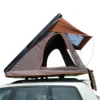
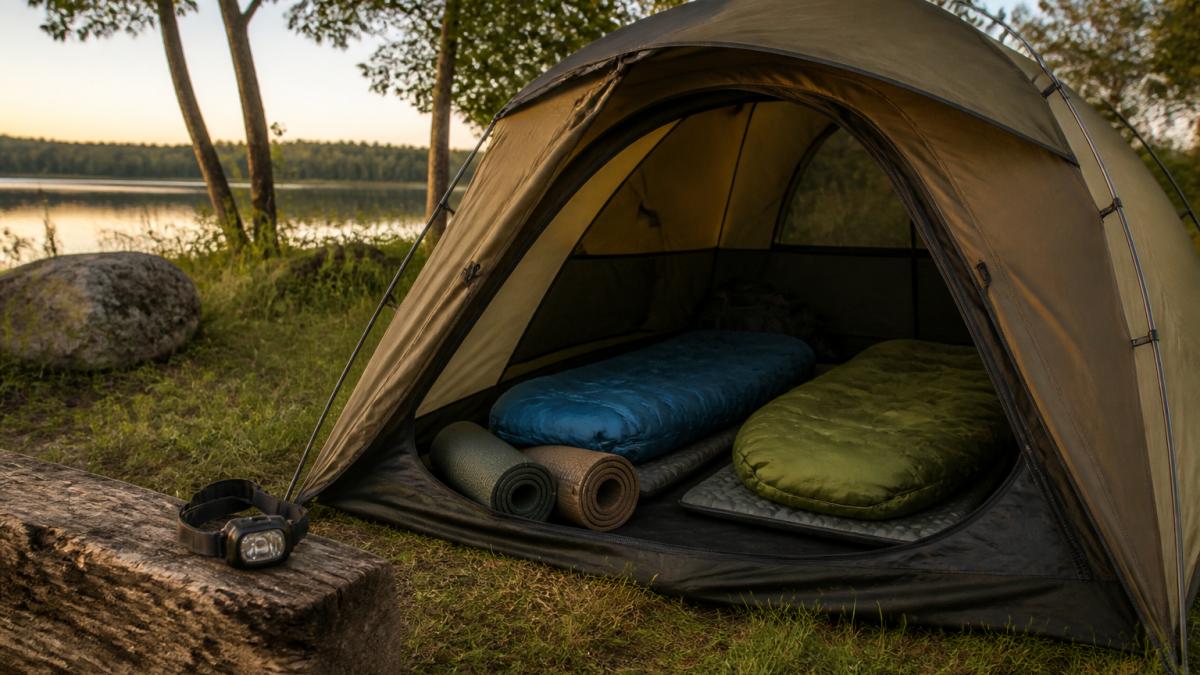
For a two- or three-night trip, a tent needs three things: a waterproof fly rated for sustained rain, a bathtub floor that keeps ground water out, and enough ventilation to stop condensation soaking your bag by morning. Two doors and two vestibules make a shared tent far more liveable, because nobody has to climb over anyone at 2am.
Look at the hydrostatic head rating on the fly. If you are shopping for a waterproof multi-person tent for a family weekend, check the current tent range on the CampNation website.
Watch out: a tent that is one size too small for your group feels fine in the shop and unbearable after two nights of wet gear piling up inside.
Sleeping Bags, Liners and Camping Mattresses
Your sleep system is three parts, not one: a bag, a mat and a liner. The bag provides insulation, the mat stops the ground pulling heat out of you, and a liner adds warmth and keeps the bag clean. Many campers buy an expensive bag and sleep on a thin foam mat, then wonder why they are cold. The mat matters as much as the bag.
Match the bag’s temperature rating to the season, not to the shop’s recommendation. A bag rated for mild nights is fine for summer weekends and useless in the shoulder season. If you want a compact inflatable option, look for a mat that packs small and inflates quickly; current options are on the CampNation website.
Camping Cooking Gear and Food Supplies for a Weekend
Cooking gear for a weekend should be simple, reliable and easy to clean at a campsite tap.
Plan meals by cook time, not by ambition. A weekend trip rewards one-pot dishes: pasta, curries, stir-fries and pre-made stews reheated in a pot.
For a compact portable stove, look for a foldable gas stove that packs into a small case, which matters when bench space is a picnic table.
Food and hydration basics for two nights:
- One cooler with block ice, not loose cubes, which melt faster
- Water: at least 3-4 litres per person per day for drinking and cooking
- Snacks that survive heat: nuts, dried fruit, crackers, muesli bars
- A backup meal that needs no cooking, in case rain kills the stove plan
Watch out: leaving food in an unsealed tent overnight invites wildlife and ruins the tent fabric. Store it in the car or a sealed container.
The Best Compact Camp Table for Two People and Other Camp Furniture
A compact camp table is the single piece of furniture that changes how a campsite feels, because it turns the ground into a usable surface.
Weight and packed length matter more than the tabletop area. For a folding option, check the current camp table range on the CampNation website.
Camp chairs complete the setup. A low chair packs smaller but is harder to get out of after a long walk; a full-height chair is more comfortable but bulkier.
Lighting, Water, Coolers and Safety Kit
Lighting, water and safety kit are the categories people forget until they need them, and then it is too late.
Water planning depends on the site. If potable water is available, carry a refillable container and a few litres for the trip in.
Safety kit for a weekend, kept in one bag:
- First-aid kit with blister plasters, antiseptic and any personal medication
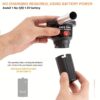
- A paper map and a charged power bank, because phone batteries die in the cold
- Matches in a waterproof container plus a lighter
- A whistle and a small repair kit for tent poles and mats
Emergency preparedness is not about expecting disaster. It is about not cutting a trip short because a pole snapped or a headlamp died.
Your Weekend Camping Checklist and Camping Gear for Beginners
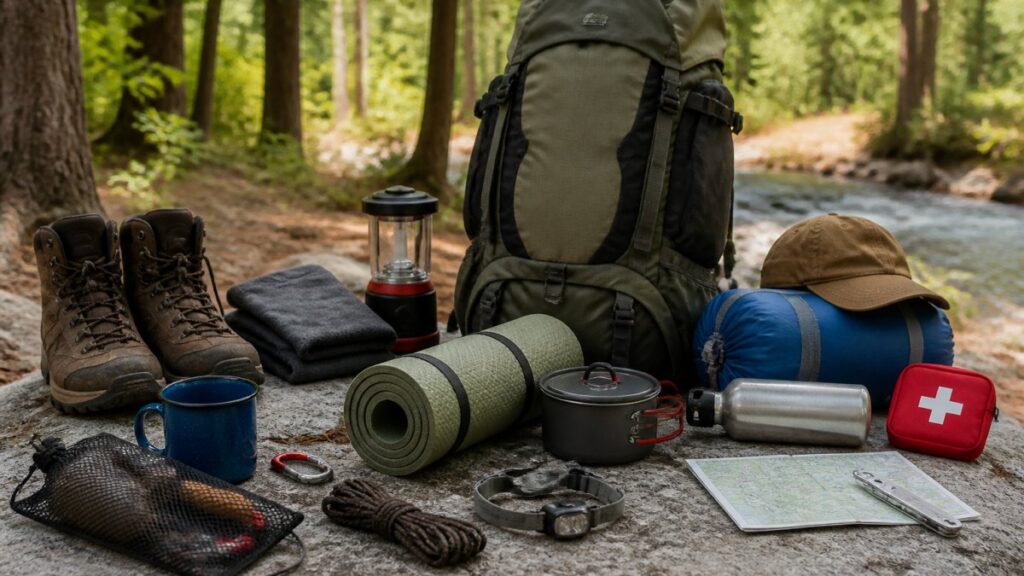
A weekend camping checklist works best when it is split by category and packed in the order you will need it. Start with shelter and sleep, then cooking, then lighting and safety, then clothing and personal items. Packing in that order means the essentials go in first and the nice-to-haves fill the gaps.
Weekend camping checklist:
- Tent, fly, pegs and mallet
- Sleeping bag, liner and mattress per person
- Pillow or stuff sack filled with clothing
- Stove, fuel, lighter and cookware
- Cooler, water containers and food
Camping Gear for Beginners: What to Buy First
Beginners should buy shelter and sleep first, then cooking, then everything else. Those three categories determine whether you sleep well and eat well, and they are the hardest to improvise on site.
If you are starting from scratch, the categories below walk through the essentials in more depth. A common mistake is buying a full kit at once and duplicating items you already own, such as torches, knives and water bottles.
Pack Weight, Setup Time and a Weekend Budget That Works
Pack weight and setup time are the two numbers that decide whether a weekend trip feels relaxing or like work. Aim for a setup you can complete in under 30 minutes from car to cup of tea, and a pack you can lift comfortably on your own. Anything heavier or slower will wear you down by the second night.
A good-better-best budget approach lets you spend where it counts without buying everything at once.
| Category | Good | Better | Best |
|---|---|---|---|
| Tent | Basic dome, single door | Two-door, double layer | Two-room family tent |
| Sleep | Foam mat, synthetic bag | Self-inflating mat, 3-season bag | Insulated mat, down bag |
| Cooking | Single burner, one pot | Two-burner, cookware set | Full camp kitchen box |
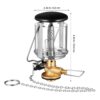
| Lighting | One torch | Headlamp plus lantern | Headlamp, lantern, spares |
| Furniture | Ground sheet | One camp chair | Table plus two chairs |
Spend the most on the tent and the mat, because those two items decide how well you sleep. Save on furniture and lighting, where cheaper options perform almost as well. Pricing varies with specification, quantity and delivery, so check the CampNation website for current prices.
Gear maintenance extends the life of most items on this list. Dry the tent fully before storage, store sleeping bags loose rather than compressed, and clean the stove after each trip.
Frequently Asked Questions
What camping gear do you need for a weekend trip?
A weekend kit covers shelter, sleep, cooking, water and light. At minimum: a tent sized for your group, a sleeping bag rated for the overnight low, a sleeping pad or camping mattress, a camp stove with fuel and cookware, a cooler or water containers, a headlamp with spare batteries, and a first-aid kit. Add a camp chair and camp table if you are car camping. Build the kit around a weekend camping checklist so nothing gets left on the kitchen bench.
How much should I expect to spend on camping gear for weekend trips?
Costs vary with how often you camp and whether you drive to site or carry your kit. A good-better-best approach works well: buy entry-level versions of items you use rarely, and spend more on the gear you touch every trip, such as your sleeping pad and tent. CampNation does not publish fixed pricing because it depends on the specific products and quantities you choose, so check the website for current prices before you commit to a full setup.
Is car camping gear different from backpacking gear?
Yes, and the difference is weight and packed size. Car camping gear can be heavier and bulkier because the vehicle carries it: think double sleeping bags, larger coolers, camp chairs and a compact camp table. Backpacking gear has to be carried, so every item is judged on weight and packed size, and tents like a two-person backpacking model replace larger family tents. Choose your set based on how far the gear travels from the car to the campsite.
What do beginner campers usually forget to pack?
Beginners often forget the small items that decide whether a trip is comfortable: spare batteries for the headlamp, a sleeping bag liner for extra warmth, cleaning supplies for cookware, and a first-aid kit. Weather protection is another gap, since many first trips are packed for sunshine only. Run through a weekend camping checklist before leaving and pack one layer warmer than the forecast suggests, because overnight temperatures at a campsite drop further than most people expect.
How do I pack light for a weekend camping trip without missing essentials?
Weigh and measure before you buy. A two-night trip needs one set of cooking gear, not a full kitchen, and a compact camp table for two people takes far less space than a folding picnic table. Pack clothing in layers, decant food into flat containers, and leave duplicate tools at home. If you are walking in, keep the total under what you can carry comfortably for the full approach, and test the packed size of your tent and sleeping bag before the trip rather than at the trailhead.
A weekend trip should not require a trailer or a spreadsheet to plan. The right kit is the kit you can pack in twenty minutes, carry without strain and trust in the rain. CampNation stocks premium, durable camping equipment selected for real outdoor conditions, backed by quick and reliable shipping so your gear arrives before your trip does. Start with shelter and sleep, add cooking and lighting, and build from there. Get started with CampNation and pack a weekend kit you can rely on.