Table of Contents
- Why Lightweight Cooking Sets Matter on Long Hikes
- Quick Comparison: Lightweight Cooking Sets at a Glance
- The Best Ultralight Backpacking Cookware for Long Trails
- Titanium Hiking Cookware: What You Gain and What You Pay For
- One-Person Hiking Cook Set Options for Solo Trekkers
- How to Choose Hiking Cookware by Trip Length and Cooking Style
- Complete Kit Weight, Fuel Use and Durability on the Trail
- Conclusion
- Frequently Asked Questions
Last Updated: October 19, 2026
Why Lightweight Cooking Sets Matter on Long Hikes
On a multi-day walk, every gram is a gram you carry up every climb. That is the case for lightweight cooking sets in one sentence: they let you eat hot meals and drink clean water without turning your pack into a burden.
The maths is simple: a cook set you barely notice overnight becomes a real cost over a long trail, because you lift it thousands of times. Weight saved is energy saved.
The best cook set for a long hike is not the lightest one you can find. It is the lightest one that still boils water reliably, nests neatly, and survives being packed and unpacked every day for weeks.
Quick Comparison: Lightweight Cooking Sets at a Glance
Here is how the main options line up before we get into the detail. Capacity and weight figures below come from the manufacturers and published reviews; check current specifications and pricing with the retailer before you buy.
| Cook set | Material | Approx. weight | Best for | Main trade-off |
|---|---|---|---|---|
| MSR Trail Mini Solo Cook Set | Aluminium | Not published | Solo hikers wanting a complete kit | Heavier than titanium |
| Snow Peak Trek 900 Titanium Cook Set | Titanium | About 175 g (6.2 oz) | Thru-hikers counting every gram | Higher price for the material |
| Primus Essential Trek Pot Set | Aluminium | About 410 g (14.5 oz) | Budget-conscious trekkers | Heavier than titanium sets |
| MSR Alpine Stowaway Pot (1.6 L) | Stainless steel | Not published | Minimalists who want one pot | No lid-and-pan versatility |
| MSR Alpine Stainless Steel 2 Pot Set | Stainless steel | Not published | Two-person cooking | Heaviest of the group |
The Best Ultralight Backpacking Cookware for Long Trails
The best ultralight backpacking cookware for long trails balances three things: low weight, reliable boiling, and enough capacity for the meals you actually cook. Here are the sets we would shortlist.
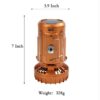
MSR Trail Mini Solo Cook Set
The MSR Trail Mini Solo is the set most solo hikers end up with. It is a complete, self-contained kit: pot, lid, and room to nest a small stove and fuel canister inside.
The catch is material: this is aluminium, not titanium, so it sits a little heavier than the premium ultralight options. For a weekend or week-long walk that weight is easy to justify; for a full thru-hike, look at titanium instead.
Snow Peak Trek 900 Titanium Cook Set
Snow Peak’s Trek 900 is the set thru-hikers reach for when weight is the priority. The pot and skillet-lid combination weighs roughly 175 g (6.2 oz), among the lightest complete options you can buy, and titanium heats fast and shrugs off daily trail knocks.
What you pay for that weight saving is price: titanium costs more than aluminium, and the Trek 900’s capacity suits solo cooking rather than feeding a group. If you hike alone and count grams, it earns its place.
Primus Essential Trek Pot Set
The Primus Essential Trek is the value pick: a proper pot set rather than a single pot, costing less than comparable titanium sets.
For a hiker on a budget who is not chasing the absolute lightest kit, that is a fair deal: more cooking capacity and a lower price for a bit more weight. It is a sensible first cook set.
Titanium Hiking Cookware: What You Gain and What You Pay For
Titanium hiking cookware gives you the lowest weight for a given capacity, at the highest price. It is strong for its weight, resists corrosion, and does not taint the taste of food or water.
What you gain:
- Lower carry weight, which matters most on long, hilly days
- Fast heating because the metal is thin and conducts heat quickly
- Durability that holds up to being packed and unpacked daily
What you pay for:
- A higher upfront price than aluminium or stainless steel
- Thinner walls, so you need to watch heat control to avoid scorching
A common mistake is buying titanium for a two-night trip where the weight saving is irrelevant. If you hike a handful of weekends a year, an aluminium set serves you just as well for less money.
One-Person Hiking Cook Set Options for Solo Trekkers
A one-person hiking cook set should hold enough for a single dehydrated meal and a hot drink, and nothing more. Oversized pots add weight, take up space, and rarely get used to capacity.
For solo trekkers, the shortlist is straightforward:
- MSR Trail Mini Solo for a complete, nestable kit
- Snow Peak Trek 900 for the lightest titanium option
- MSR Alpine Stowaway Pot (1.6 L) for minimalists who want a single pot and nothing else
The Stowaway is one pot rather than a set, which suits a hiker who boils water for dehydrated meals. If your routine is “boil, pour, eat”, a single pot is all you need; if you cook proper meals, a set with a lid and pan gives you more options.
Nest your stove, lighter, and a small scourer inside the pot before you pack. It stops the loose items rattling around, and you always know where your ignition source is.
How to Choose Hiking Cookware by Trip Length and Cooking Style
How to choose hiking cookware comes down to two questions: how long you are out, and how you actually cook.
Matching Your Kit to Trip Length
- Overnight to weekend (1-3 nights): an aluminium set like the MSR Trail Mini Solo is plenty. Weight is not the deciding factor at this length, and a single 100 g canister is usually enough for a solo hiker boiling water for dehydrated meals and drinks.
- Multi-day (4-10 nights): step up to a set with a lid and pan so you can cook more than water. Check that it nests with your stove and canister, and plan fuel around resupply: a 230 g canister is often the efficient choice for a solo hiker over this length, with a small backup if resupply is sparse.
- Long trail (weeks to months): go titanium. The weight saving compounds over thousands of kilometres, and the durability pays off. Plan fuel in blocks between resupply points, track boils per canister for the first week to calibrate your own consumption, and favour a pot wide enough to capture the burner flame efficiently.
Matching Your Kit to Cooking Style
Cooking style matters as much as trip length, and it changes both the set and the fuel you carry.
Rehydrate-only hikers. If your routine is boil, pour, eat, a single pot with a lid and a reliable stove are enough.
Simmer-and-fry hikers. If you cook from scratch, simmer sauces, or fry, you need a pan or lid and better heat control.
Mixed-style hikers. Most long-hike practitioners settle into a mix: rehydrate on big-mileage days and cook properly when camped early.
Before a long trip, do a fuel calibration at home: boil 500 ml of water in your pot with your stove and windscreen, weigh the canister before and after, and repeat three times. That gives you a realistic grams-per-boil figure for your own setup, which is far more useful than a generic estimate.
Complete Kit Weight, Fuel Use and Durability on the Trail
Complete kit weight is where most comparisons stop short. The pot is only part of what you carry: add the stove, fuel canister, lighter, spork, and mug, and a set that looks light on its own can end up heavy.
Building a Complete Kit Weight Figure
To compare fairly, weigh the whole system dry: pot and lid, stove, empty fuel canister, lighter or matches, utensil, mug or bowl, and any pot grip or windscreen. A common pattern on long trails is that the cookware is the minority of the weight.
Fuel is the variable most hikers underestimate. A 100 g canister typically holds around 100 g of fuel, a 230 g canister around 230 g.
Fuel Efficiency: How Pot Design Changes What You Carry
Fuel use follows the same logic as weight. A wider pot with a lid boils water faster and uses less fuel; a narrow pot without a lid wastes heat.
Three habits move fuel consumption more than the pot itself:
- Always use the lid. Uncovered boiling loses heat steadily and can add a meaningful percentage to your fuel burn over a long trip.
- Use a windscreen in exposed camps. Wind is the single biggest fuel thief on long hikes; a simple foil windscreen often pays for its weight in saved gas within a few days.
- Match flame to pot base. A flame that licks up the sides of a narrow pot wastes heat. A wider pot base captures more of the burner output.
For a long trail, plan fuel in blocks between resupply points rather than carrying one large canister for the whole walk. A 230 g canister is efficient per gram of fuel, but a 100 g canister is easier to finish and lets you top up at resupply.
Durability and Repair Over Extended Trail Use
Durability is the other long-trail factor. Thin titanium is tough but can dent if dropped on rock. Stainless steel is heavier but forgiving. Aluminium sits in between. Whichever you choose, carry a small repair kit and treat your pot as the one piece of gear you cannot afford to lose.
The failure points to watch are consistent: lid handles that loosen, pot grips that slip, non-stick coatings that scratch and flake, and stove threads that cross when a canister is attached in a hurry. If your pot has a non-stick coating, use a silicone or wooden utensil rather than metal, and avoid abrasive pads (How to get the most out of your non-stick frypan).
Do not buy a cook set without checking that your stove and fuel canister fit inside it. A set that does not nest forces you to carry the stove loose, which adds bulk and risks damage to both.
Conclusion
The right lightweight cooking set matches your trip length and cooking style, not the lowest weight on the box. Start with a solo aluminium set for shorter walks, move to titanium when the trail gets long, and always check the full kit weight before you commit.
CampNation is your trusted source for premium, durable camping equipment, carefully selected to ensure every outdoor enthusiast enjoys comfortable and confident adventures.
Frequently Asked Questions
What is the lightest cooking set for hiking?
Titanium pot-and-lid combinations are the lightest option, with sets like the Snow Peak Trek 900 reported at around 6.2 oz (roughly 175 g). A titanium pot paired with a small canister stove usually keeps your total cook kit under 300 g. If you carry a single pot rather than a full set, you save more weight again. The trade-off is cost: titanium hiking cookware costs more than aluminium or stainless steel, so weigh the savings against your budget before committing.
Is titanium or aluminium better for hiking cookware?
Titanium is lighter and stronger for its weight, which is why long-distance hikers favour it. Hard-anodized aluminium spreads heat more evenly and usually costs less, but it is heavier for the same capacity. Titanium tends to develop hot spots when frying, so it suits boiling water and dehydrated meals better than simmering or pan cooking. If you mostly boil water, titanium hiking cookware is the sensible pick. If you cook real meals, aluminium gives you more heat control for the weight penalty.
How much should a hiking cook set weigh?
For a solo hiker, a pot and lid around 150 to 250 g is a reasonable target, and a complete one-person hiking cook set including stove and utensils can land between 300 and 500 g. Two-pot stainless sets like the MSR Alpine range weigh more, so they suit group cooking rather than solo ultralight backpacking. Always weigh the whole system, not just the pot: fuel canister, stove, lighter and spork all count toward your carry weight.
What size pot is best for one person hiking?
A 750 ml to 1 L pot covers most solo needs: a dehydrated meal, a hot drink and room to spare for boiling water. The MSR Alpine Stowaway Pot at 1.6 L suits solo hikers who want extra capacity for pasta or rice, while the Snow Peak Trek 900 sits in the middle at 900 ml. If you only ever boil water for freeze-dried meals, a smaller 750 ml pot saves weight and packs more easily inside your pack.
Can you cook meals in a lightweight camping pot, not just boil water?
Yes, but performance varies by material and shape. Thin titanium pots heat fast but scorch easily, so stir often and keep the flame low when simmering. Hard-anodized aluminium and stainless steel distribute heat more evenly, which makes them better for rice, pasta and sauces. A pot with a lid and folding handles makes handling safer on a stove. For long hikes where dehydrated meals dominate, boiling performance matters more than frying ability.
Choosing the right cook set is one decision among many on a long trail, and getting it wrong costs you weight and money. CampNation can help you build a kit that lasts, with carefully selected gear, fast shipping, and equipment built to perform in real conditions. Shop now and head out with confidence.